AI and Website Design in 2027: What Small Businesses Really Need to Know
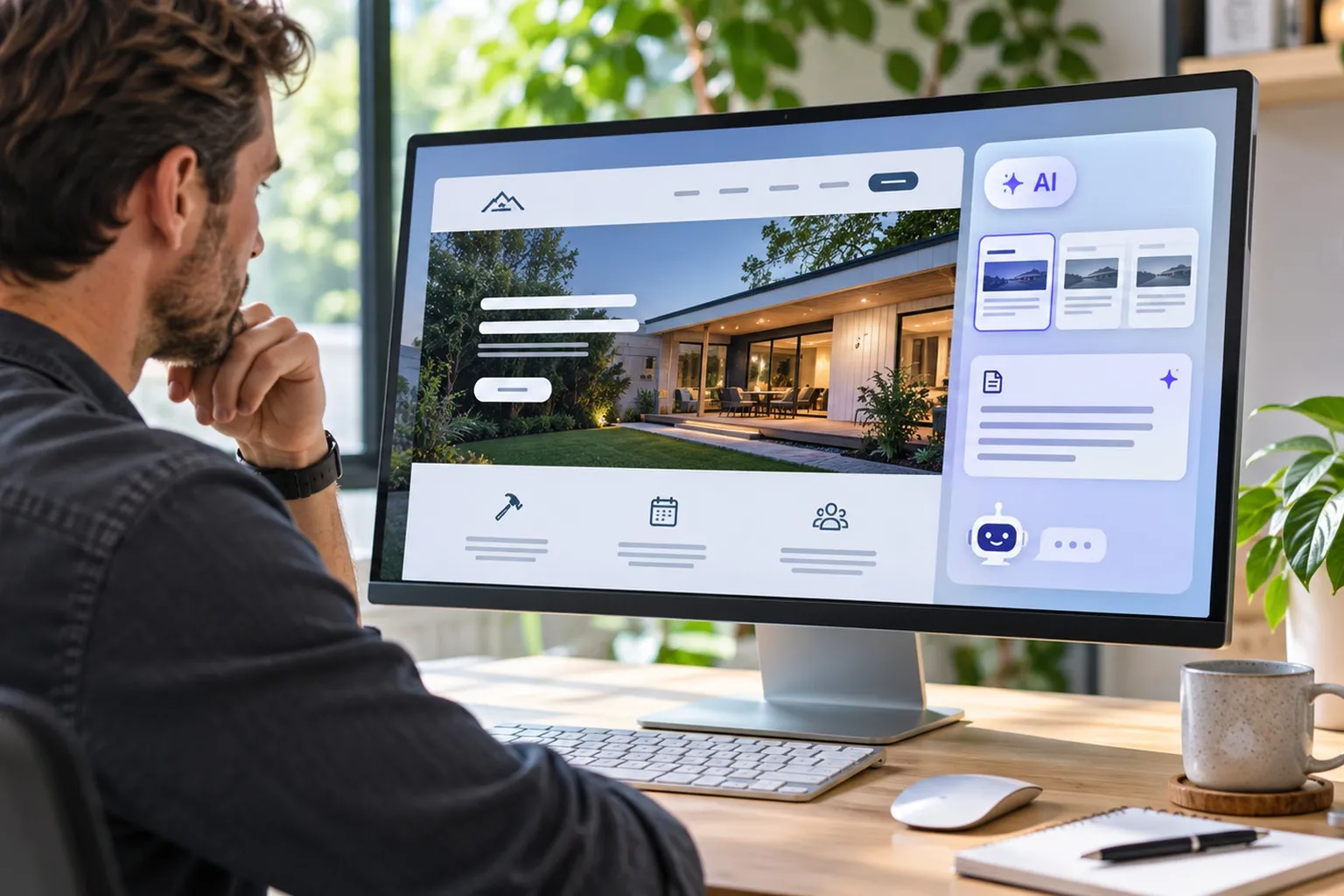
AI is changing how websites are designed and built, and more change is expected through 2027. Some of it, like smarter chatbots and personalisation, can help in the right situation. For most small businesses, though, the things that matter most haven’t changed: a clean, professional design, fast loading on phones and an easy way for customers to get in touch.
Where website design is heading
AI is now part of almost every conversation about websites. Design tools can generate layouts in seconds, chatbots promise to answer customers around the clock, and every software company seems to be adding something with “AI” in the name.
Looking ahead to 2027, most people in the industry expect that pace to continue. Some of it will be genuinely useful for small businesses. Some of it is more likely to suit large companies with big budgets and dedicated teams. The trick is knowing which is which.
AI chatbots: useful, but not for everyone
Chatbots are one of the most visible changes. The newer ones are far better than the clunky pop‑ups of a few years ago. They can answer common questions, explain opening hours or point someone to the right page.
Some can also take enquiries or booking requests after hours, which can be handy for businesses that can’t always answer the phone.
For a business that gets a steady flow of the same questions, such as a clinic, a busy café or an online store, a well set up chatbot can save time. For most tradies and local service businesses, though, customers usually want one of two things: a phone number or a quick way to request a quote. A chatbot that gets in the way of either does more harm than good.
If you do add one, keep it simple, make sure it gives accurate answers about your business, and always make it easy to reach a real person.
Personalisation: helpful in small doses
Another emerging trend is personalisation, where a website changes what it shows depending on who is visiting. That might mean highlighting services in a visitor’s area or remembering what they looked at last time.
Large retailers have done this for years, and AI is making it easier and cheaper. For a small business, the most useful version is usually much simpler: clear service pages, a mention of the areas you cover and content that speaks directly to your customers. That kind of relevance doesn’t need complex technology, and it works for every visitor from the first click.
It’s also worth keeping privacy in mind. Customers are increasingly aware of how their information is used, and a website that seems to know too much can feel uncomfortable rather than helpful.
Cleaner, calmer design
Design trends come and go, but the direction for the next few years looks fairly settled. Websites are becoming cleaner and calmer, with more white space, larger and easier‑to‑read text, real photography and fewer distractions.
This suits small businesses well. Customers are often comparing a handful of options quickly, and a clear, professional website builds trust before they’ve read a word. Heavy animation, auto‑playing video and crowded pages tend to have the opposite effect. Good design for a small business isn’t about looking trendy. It’s about looking established, trustworthy and easy to deal with.
Speed and mobile still matter most
For all the talk about AI, two basics remain more important than any trend: how fast your website loads and how well it works on a phone.
Most local customers will find you on their phone, often while they’re busy or on the move. If your site is slow, hard to read or awkward to tap through, they’ll simply try the next business. Many of the newest features, including chatbots, tracking tools and complex animation, add weight to a page. Each one should earn its place, because every extra second of loading time is a reason for someone to leave.
AI website builders: quick, but not the whole job
Another change you’ll hear a lot about is AI tools that build an entire website from a short description. They’re improving quickly, and for a hobby project or a short‑term page they can be a reasonable starting point.
For a business website, the results are often generic. The wording tends to sound like everyone else’s, the photos rarely show your actual work, and the structure isn’t always built around how your customers make decisions. Someone still needs to check the details are accurate, make it look like your business and keep it running properly once it’s live. AI can speed up parts of the process, but it doesn’t replace understanding your business and your customers.
Why simple still wins
There’s a temptation to add every new feature as it appears. In practice, the websites that work best for small businesses tend to be the simplest. They load quickly, they’re easy to understand and they make the next step obvious.
Simpler websites are also easier and cheaper to look after. Fewer moving parts means fewer things to update, fewer things to break and less to worry about over time. You can read more about that in our article on website security and maintenance.
What this means for your business
You don’t need to chase every trend to have a website that works. If you’re weighing up a new site or a refresh in the next year or two, these are the things worth focusing on:
Thinking about a new website?
AI will keep changing how websites are designed and built, and some of those changes will be genuinely useful. The fundamentals are unlikely to change: a clear, fast, professional website that makes it easy for customers to get in touch.
If you’d like to talk through what makes sense for your business, have a look at our website packages or get in touch. We’re always happy to give straight advice.